Since ancient times, Indians have divided the year into six seasons.
Spring, Summer, Monsoon, Late Summer, Autumn, and Winter.
Each season lasts for about two months. Roughly speaking, spring is February and March, summer is April and May, the monsoon is June and July, late summer is August and September, autumn is October and November, and winter is December and January.
This six-season system was developed long ago in the Gangetic plains of north India, so it reflects the climate of that region particularly well. Spring is pleasant overall, but temperatures start climbing as summer approaches. Summer is intensely hot and dry. During the monsoon, it rains relentlessly. In late summer, the skies finally clear, but the heat returns, this time with high levels of humidity. Autumn is the most comfortable season of the year, while winter is generally mild, but with a spell of bitter cold for about two weeks around the New Year.
Throughout the world, the rhythms of agrarian life have shaped how people think about the seasons. Festivals, annual traditions, and daily life have been closely tied to the changing seasons – to whether it’s time to plant or harvest; whether field work is busy or quiet; whether food stores are plentiful or scarce.
In the past, life was shaped around nature’s rhythms, and this is true even now for most Indians, as India is a largely agrarian country. However, even Indians who live in cities retain their own sense of the seasons.
In this essay, I’d like to explore a year in India from the perspective of how modern Indians experience the changing seasons. If you’ve ever lived in India, I hope these scenes will bring back fond memories. If you’ve never visited, I hope they give you a glimpse into the country’s changing landscapes throughout the year.
Spring (Vasanta)
Gardens spill over with blooms
Bees play among the buds
Peacocks call noisily
The koel’s warble stirs the heart
The spring breeze is scented by mango blossoms
Young women carrying water pots
Call out to each other in the orchards
Ah, Spring at its height
This is a rough translation of a traditional composition in Indian classical music celebrating spring.
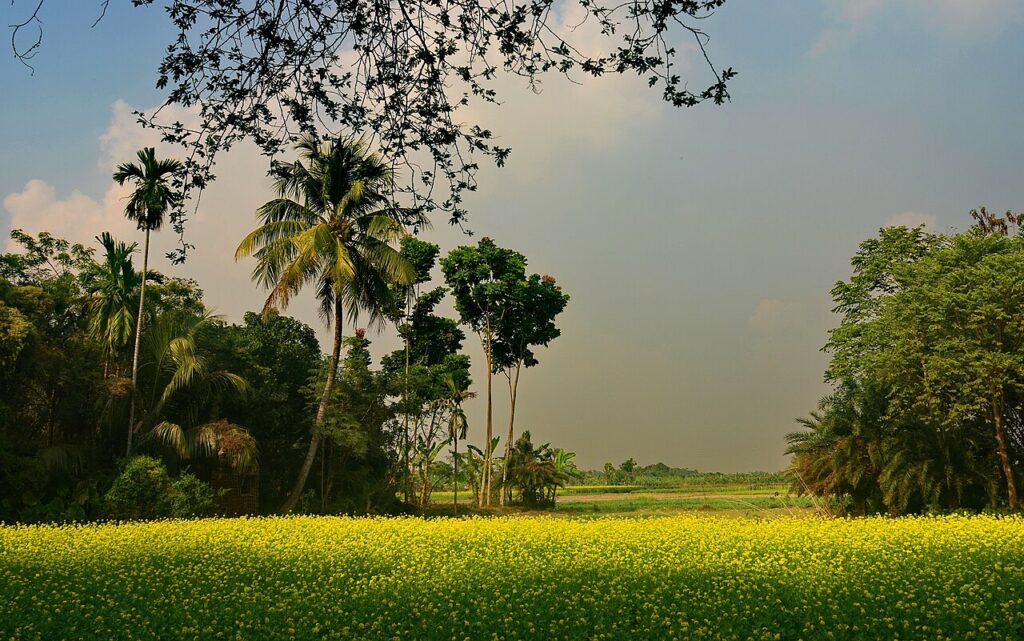
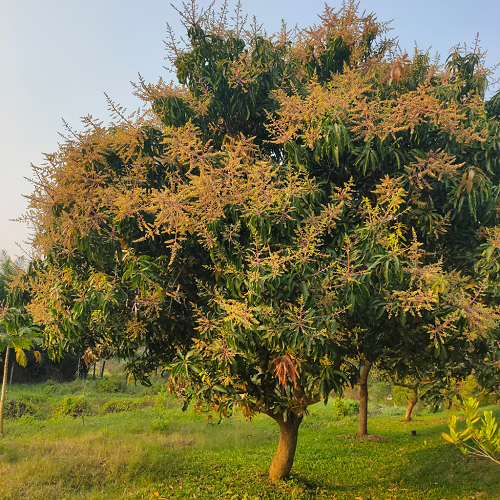
The sweet scent of mango blossoms, endless mustard fields with yellow flowers, the wistful warbling of the koel, and bees buzzing busily around the flowers – these images of spring have been celebrated for thousands of years in Indian literature, music, dance, and painting.
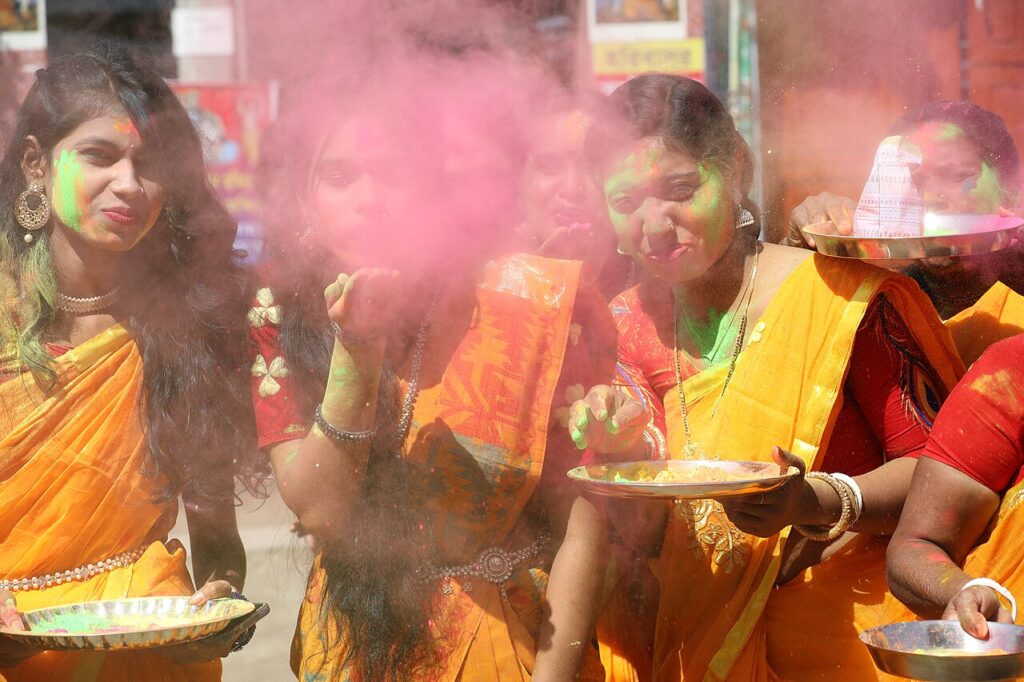
As elsewhere in the world, spring in India is a season of joy and new beginnings. Holi, the festival of colors, is a spring festival. Children and adults alike celebrate the arrival of spring by throwing brightly colored powders and water over one another.
Soon after the spring equinox, coinciding with the winter harvest, is when the Hindu New Year is celebrated across India. It has various local names (Putthandu, Vishu, Ugadi, Gudi Padwa, Baisakhi, Navreh, Bihu…), and the exact timing and customs also vary slightly from region to region depending on geography and agricultural cycles. But across the country, spring is the season that is thought to herald the new year.
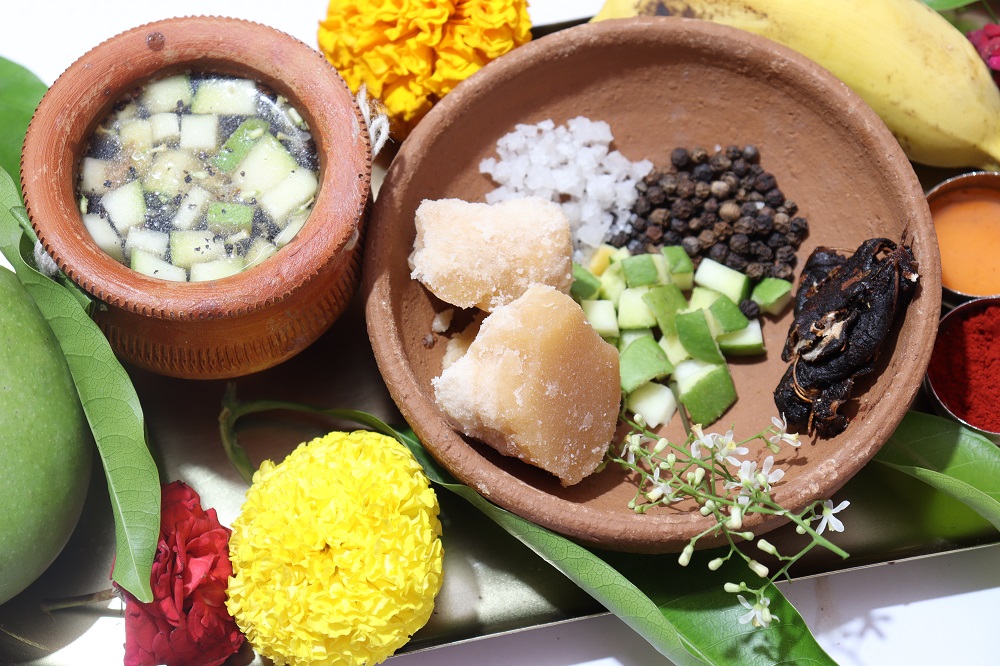
The South Indian New Year (Putthandu, Ugadi), for instance, features a special dish made from fresh seasonal ingredients representing the six tastes – sweet, salty, hot, sour, bitter, and astringent. In Ayurveda, a balance of these six tastes is thought to soothe both body and mind and boost immunity in preparation for the transition from spring to summer.
Another beautiful New Year tradition, this time from Assam (Bihu), is called ekho-ek bidh xaak (101 greens). People go foraging in nature for as many edible greens and herbs as they can find, then bring them back and cook them together in a special New Year dish to pray for good health in the year ahead.
Summer (Grishma)
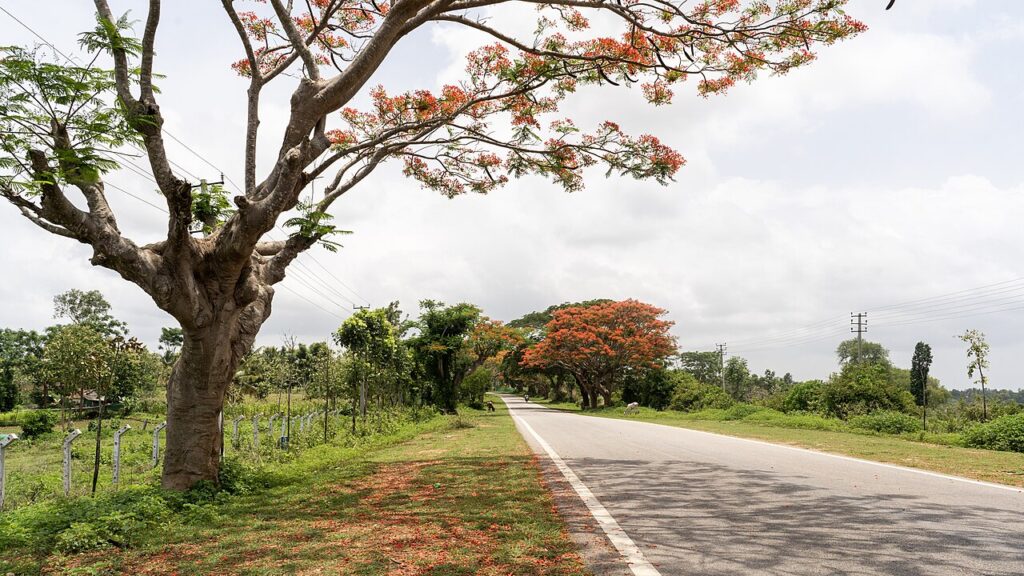
As spring draws to an end, flaming red Gulmohar blossoms start lining the avenues in many parts of India, and you know summer is here. Temperatures climb to well above 40°C in many parts of the country, and staying hydrated becomes essential to avoid heatstroke.
An ancient tradition for coping with the heat is to drink water chilled in porous earthen pots called matka. As water slowly evaporates from the surface of the pot, it naturally cools the water inside. The clay also filters small impurities and gently raises the water’s alkalinity. On a scorching summer day, nothing tastes better than a long drink of cool matka water with its faint earthy scent.
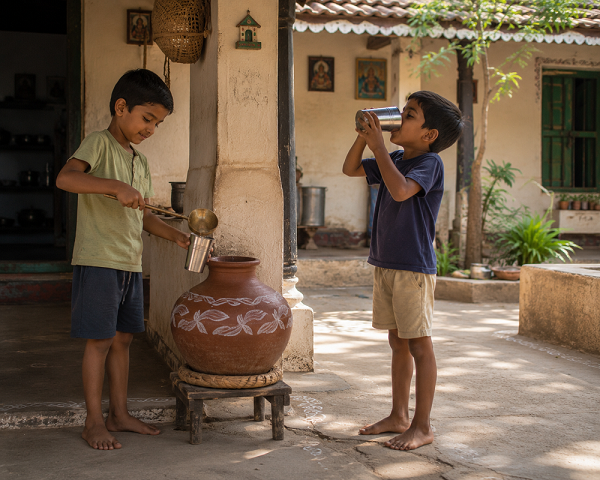
In many parts of the country, the first thing you do when someone visits your home during the summer is to offer them cold water with a piece of jaggery (unrefined cane sugar). This is an old tradition of summertime hospitality and kindness extended not just to family and friends, but even to strangers who happen to drop by.
Mangoes. The thing Indians most look forward to in the summer. India is home to well over 1,500 varieties of mangoes, with each region proudly favoring its own. Mangoes are enjoyed in countless ways and have long been one of the greatest pleasures of summer in the subcontinent.
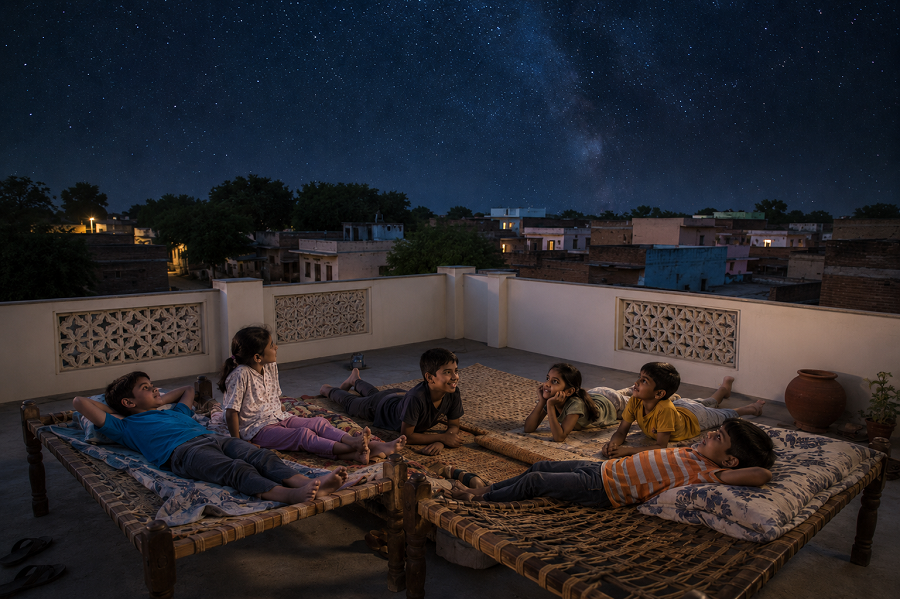
For children, summer is also the season of school holidays and visits to their grandparents’ homes. Cousins who rarely see each other during the rest of the year gather together, spending joyful weeks being thoroughly spoiled by their grandparents. They play all day, then at night carry their bedding to the rooftop and lie under a canopy of stars, whispering together until sleep finally comes.
The Monsoon (Varsha)
The Indian monsoon is not just “the rainy season.”
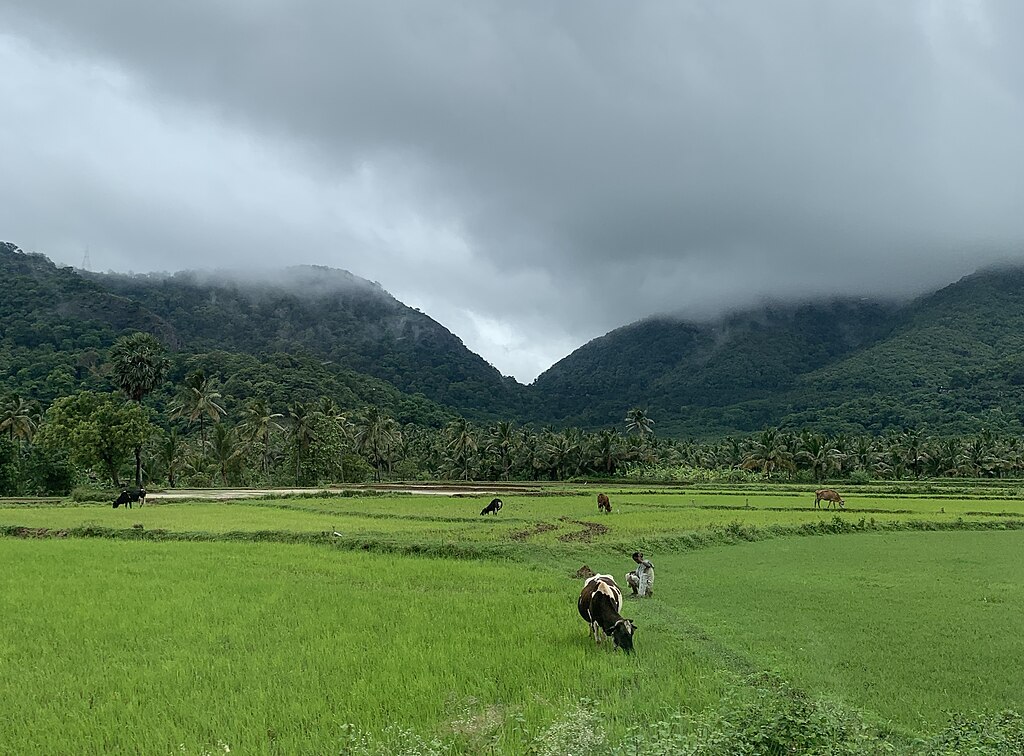
Unlike most parts of the world, where rain falls to some extent throughout the year, much of India receives rainfall only during the monsoon. By the end of summer, the land has become completely parched, loose dry dust flying around everywhere.
Then one day, clouds begin darkening the horizon. Thunder rumbles in the distance. A cool breeze suddenly sweeps across the land, sending dry leaves and dust spinning into the air. The air becomes lighter, and everyone feels the thrill of impending rains.
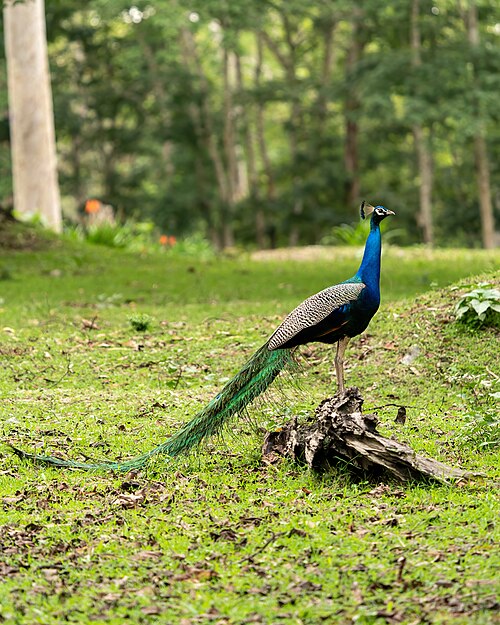
When the first drops finally begin to fall, it is hard to resist running outside. Peacocks spread their magnificent tails and begin dancing. The dry brown earth suddenly turns green. The monsoon is one of the most dramatic seasons of the Indian year.
In Sanskrit, “varsha” relates to both “rain” and “year.” In other words, ancient Indians measured the passage of time by counting how many rainy seasons they had lived through.
In Indian classical arts and literature, the monsoon has long been celebrated as the season of love. There are many ragas in Indian music associated with the rains, while classical poetry and literature often use rains as the setting for both scenes of yearning and joyous reunion of lovers.
A nice treat many Indians associate with the rains is chai and pakoras. As the rain pours outside, a steaming cup of chai with freshly fried pakoras hits the spot.
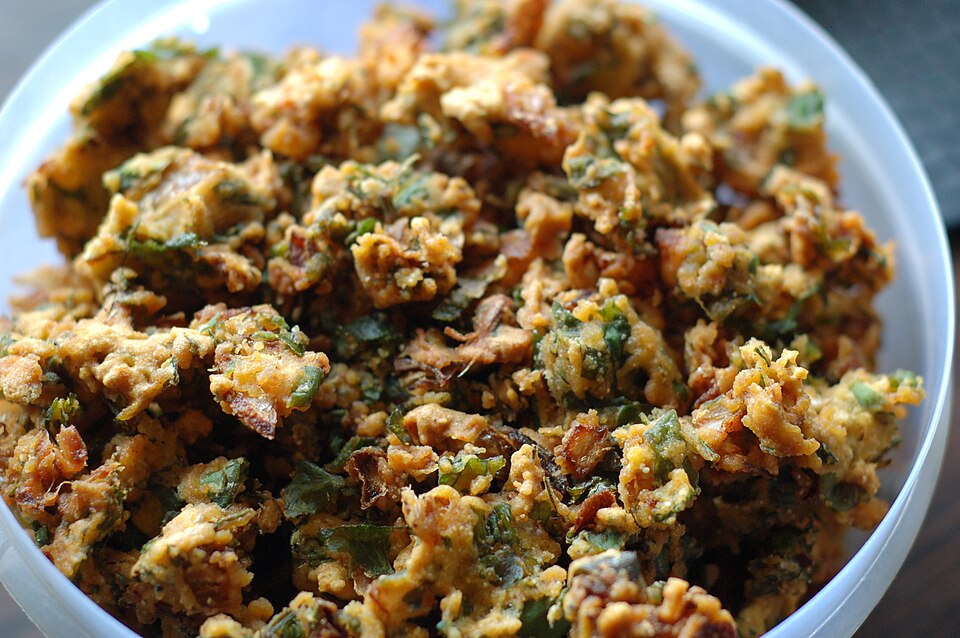
After weeks of relentless rain, standing water begins to collect everywhere, spreading diseases. Thoroughly cooked food served piping hot is one the safest things you can eat in such a situation. This may be one of the reasons fried foods became a comforting rainy-season tradition.
Late Summer (Sharada)
When the monsoon ends, the skies finally clear, and a bright harvest moon adorns the night sky. The full moon of this season, sharad purnima, is a popular image that appears frequently in classical Indian literature and poetry, its limpid beauty symbolizing love and longing.
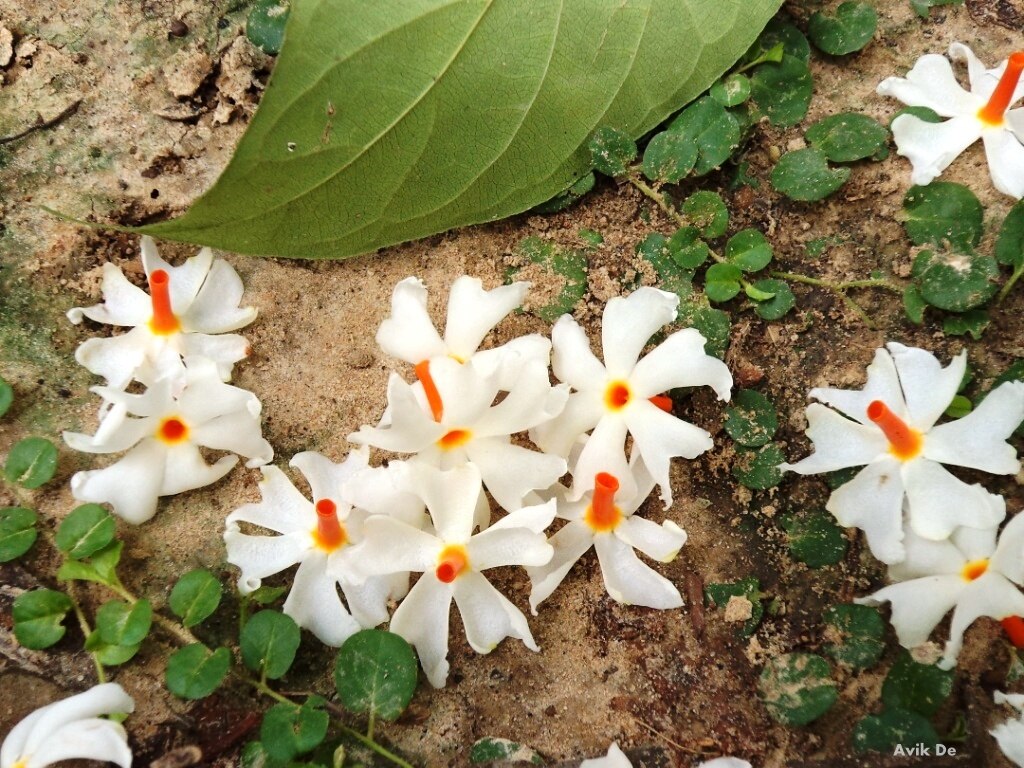
Around this time, fragrant parijata flowers bloom during the night, only to fall to the ground by morning with their white petals and coral stems still perfectly intact. They look even lovelier carpeting the earth at dawn than blooming on the tree. Because classical texts used this beautiful sight as a symbol of surrender and devotion, these flowers are a popular choice for prayer offerings.
The word sharada is closely connected with the concept of ripening. The rains have nourished the land, and crops are in the process of ripening. Harvest lies ahead. In traditional farming communities, much of the hard field work has already been completed by this time, allowing people a brief respite from work while waiting for the harvest.
Sometime after the summer solstice comes a two-week observance of Pitr Paksha, a period for remembering and honoring your ancestors. When this quiet period ends, the festive season begins.
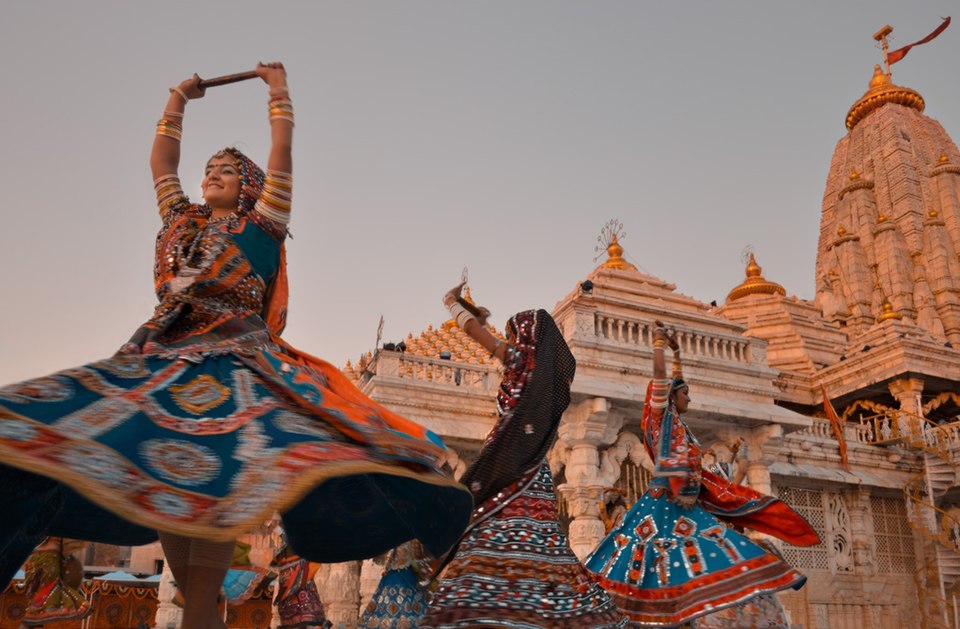
Across India, the end of Sharada is marked by extended celebrations known by different names – Navaratri, Durga Puja, Garba, Dussehra. Most schools close for ten days to allow children to fully enjoy the festivities.
This is one of the liveliest times of the year. Beautifully decorated festival pavilions, streets lined with stalls, families out shopping and visiting, music and dance continuing late into the night.
In the distant past, this may also have been the time when grain stores from the previous harvest were beginning to run low, and people had to rely on chickpeas or yams or other foraged foods. A memory of that still survives today. During the nine days of Navaratri, many people observe a dietary practice known as vrata, during which they avoid eating staples such as rice, wheat, or sea salt in favor of yams, water chestnuts, rock salt, and so on.
Autumn (Hemanta)
By the time the harvest is finished, autumn has arrived. In north India, this season is sometimes called the “rosy season,” a name that evokes its mild and pleasant weather.
In ancient times, as the days grew shorter and night began to fall sooner, people lit small earthen lamps (diya) around their homes to brighten the darkness. Over the centuries, this custom eventually blossomed into Diwali, the festival of lights.
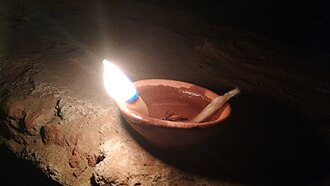
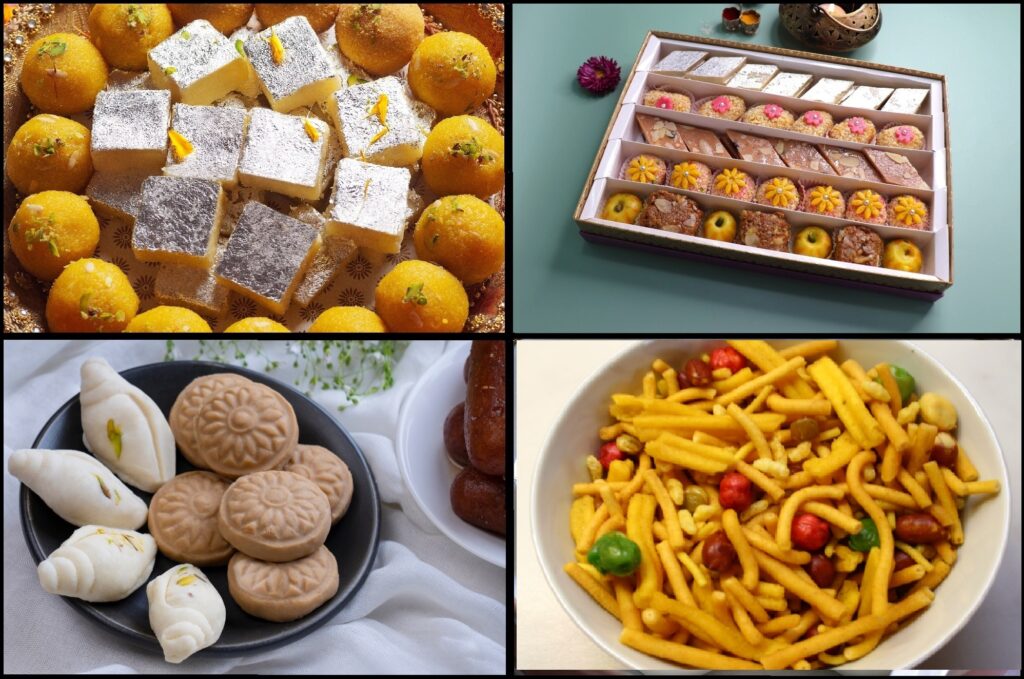
Coming just after the harvest, Diwali is also a celebration of nature’s abundance, shared with family and friends. Kitchens overflow with sweets and savories made from newly harvested grains and pulses. People visit friends and family with colorfully decorated boxes of sweets and snacks.
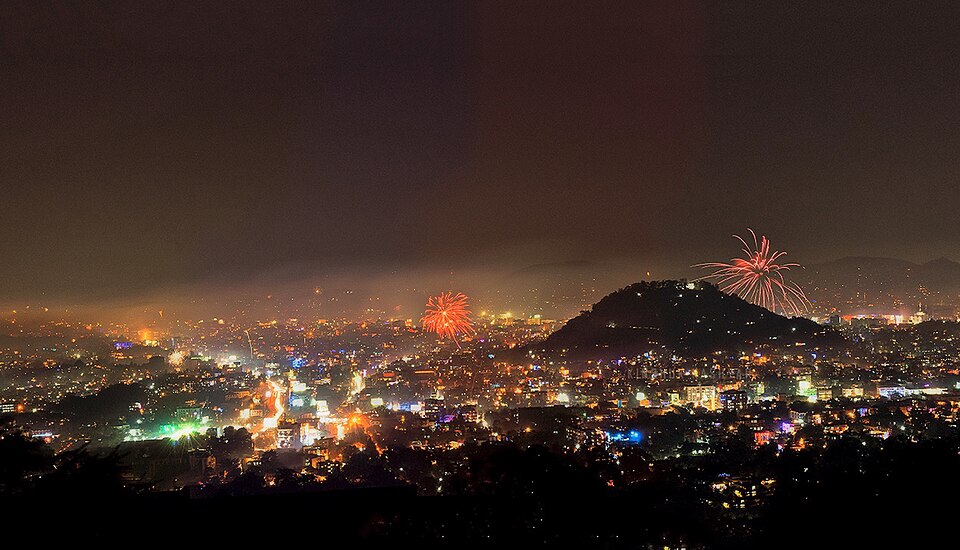
At night, countless lamps illuminate neighborhoods while fireworks fill the sky. Diwali is India’s most dazzling festival. It is a celebration of gratitude for the harvest and prayers for happiness and prosperity in the year ahead.
After Diwali, the cold begins to set in. The mornings and evenings become pleasantly cool, and sweaters and shawls come out. The scent of ginger chai and the aromas of charcoal-grilled corn and roasted peanuts waft through the streets. Winter is just around the corner.
Autumn is one of the most enjoyable seasons to spend outdoors in India. People can be seen basking in the sunshine on rooftops and in parks.
Winter (Shishira)
Winter in India is neither as long nor as severe as in colder parts of the world. For the most part, it feels like an extension of the mild autumn weather.
There is, however, one notable exception. For about two weeks around the New Year, a thick blanket of fog settles across most of north India. The sun disappears entirely for days at a time.
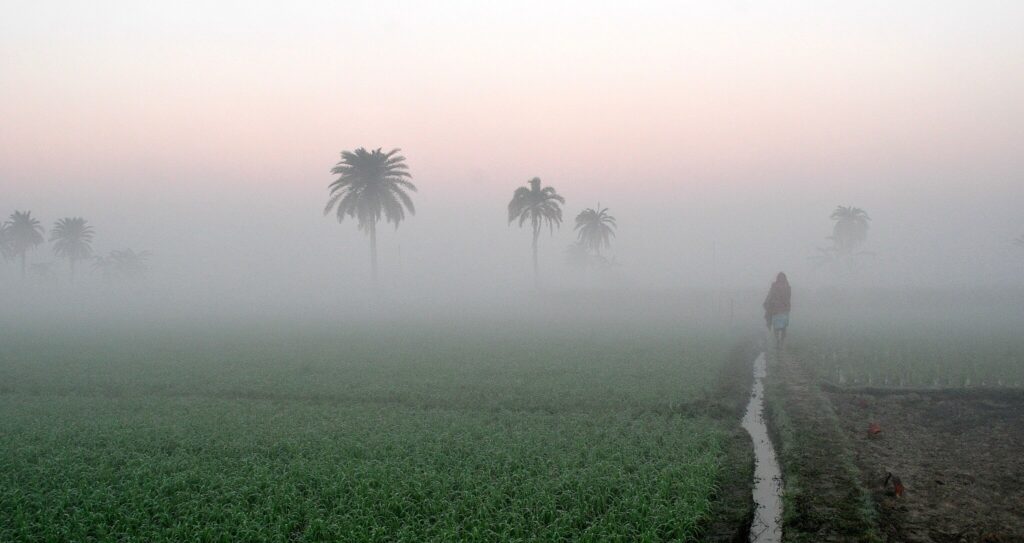
Trains are heavily delayed, and flight cancellations spike. On street corners, workers can be seen gathered around charcoal braziers to warm their hands as they sip hot tea from small clay cups.
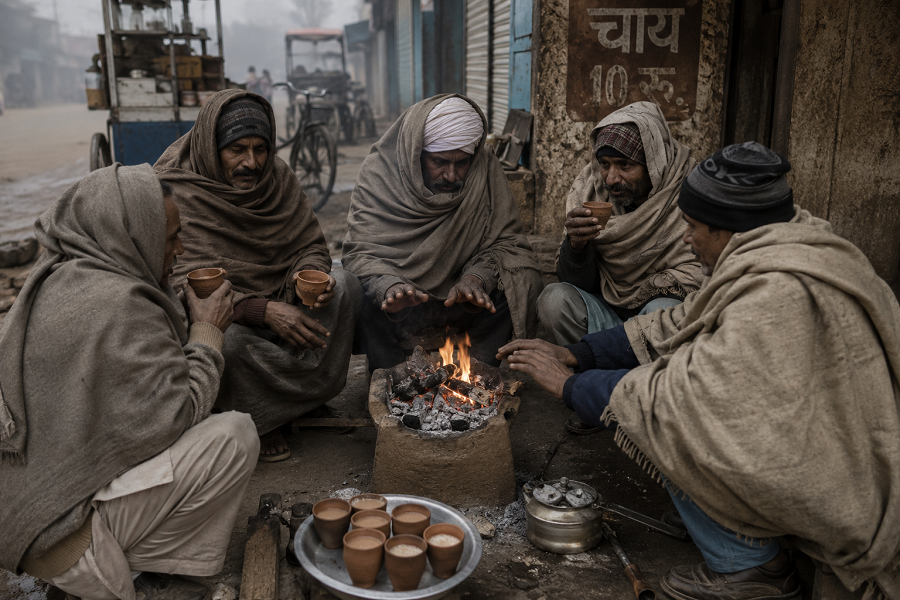
Then, around mid-January, the weather improves suddenly. Blue skies return. Warm sunshine pours down once again, and gentle breezes begin to blow. The sun has begun its northward journey.
Across the country, people celebrate the occasion under many different names – Makara Sankranti, Uttarayana, Pongal, Khichdi, and Lohri, and so on. Crops such as rice, sugarcane, sesame, and peanuts are harvested around this time, and sweets made with jaggery, sesame, peanuts, and puffed rice are enjoyed throughout the season.
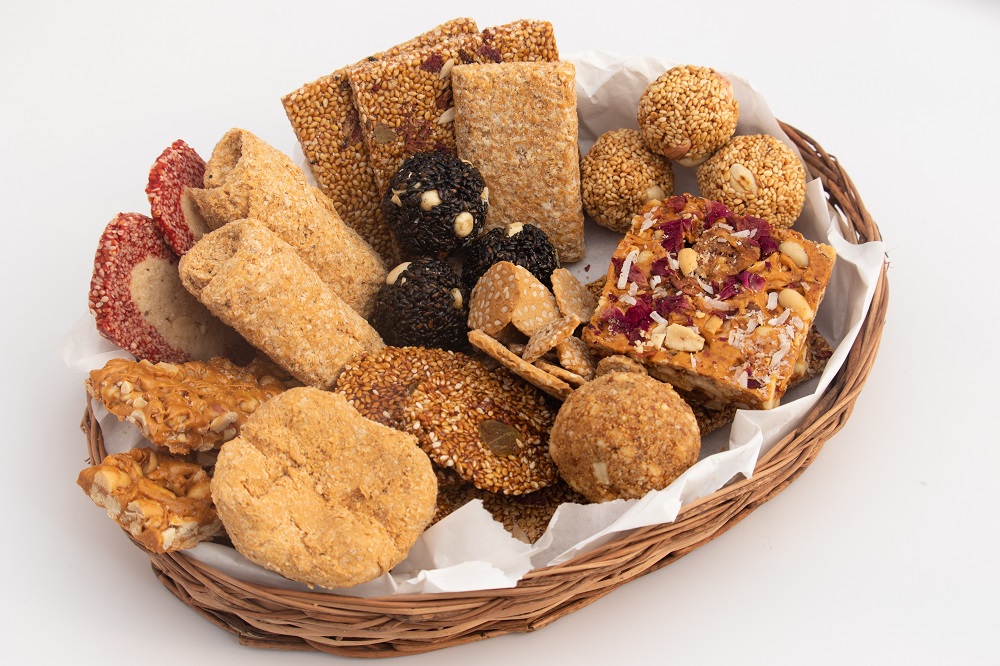
The warm sunshine draws people out of their homes, and the breezy weather is ideal for kite-flying. Gujarat’s Uttarayana kite festival is especially famous, but skies filled with colorful kites are a familiar sight across much of India during this season.
Soon thereafter, mango trees start blossoming and the koel begins to sing again, marking the return of spring.
Leave a Reply